
The Do’s and Don’ts of Interviewing Candidates

<- Back

Two people shaking hands

The hiring process involves a variety of steps, from sourcing to interviewing, but it’s the interview that often plays the biggest role in determining who gets hired. Interviewing is more than just asking questions; it’s about understanding a candidate’s strengths and weaknesses, their motivations, and how they might fit into your team. But knowing what to ask and how to ask it can be tricky, even for experienced recruiters. That’s why we’re here to help!

In this blog post, we’ll look at some of the do’s and don’ts of interviewing candidates so you can ensure you’re getting the most out of each interview while also staying compliant. Read on to learn more!

Do Your Research

When you’re interviewing candidates for a job, it’s important to do your research beforehand. This way, you can be sure to ask the right questions and get a sense of whether or not the candidate is a good fit for the position.

To start, take a look at the candidate’s resume and cover letter. These will give you an idea of their qualifications and work history. Next, try to find any online profiles or portfolios that they may have. This can give you a better sense of their work style and skills.

Finally, it’s always a good idea to check references. Talk to people who have worked with the candidate in the past and see what they have to say about them. This will give you valuable insights into the candidate’s character and work ethic.

Prepare a List of Questions

When you are preparing to interview candidates, it is important to have a list of questions ready. This will ensure that you cover all of the topics that you want to discuss and help you keep track of the conversation. There are a few things to keep in mind when creating your list of questions:

1. Make sure that your questions are relevant to the position that the candidate is interviewing for. You should avoid asking personal questions or anything that could be considered discriminatory.

2. Try to ask open-ended questions that will encourage the candidate to talk about their experiences and qualifications. Avoid yes or no questions whenever possible.

3. Be prepared to follow up on the answers that the candidate gives. If they mention something in their answer that you want to know more about, be sure to ask a clarifying question.

4. Don’t hesitate to ask for clarification if you don’t understand something that the candidate says. It is better to clarify than make assumptions about what they meant.

5. Ask meaningful questions that will help you get to know the candidate better and determine if they are a good fit for the position. Avoid asking irrelevant or trivial questions just for sake of making conversation.

Be Professional

It goes without saying that you should be professional when interviewing candidates. This means being respectful, courteous, and attentive. It also means being prepared with questions that will help you get to know the candidate and their qualifications for the job.

Some things to keep in mind:

– First impressions matter. Make sure you are making a good one!

– Be clear about the role you are hiring for and what the expectations are.

– Ask questions that will help you gauge the candidate’s fit for the role and their level of interest.

– Take your time. Don’t rush through the interview process.

– Follow up after the interview to thank the candidate for their time and let them know when to expect to hear back from you.

Be Selective

There are a lot of candidates out there, and it can be tempting to try to interview as many people as possible in the hopes of finding the perfect fit for your position. However, this is not always the best strategy. It’s important to be selective when you’re interviewing candidates and to make sure that you’re only bringing in people who you think have a real shot at getting the job.

Here are a few tips for being selective when you’re interviewing candidates:

1. Don’t just rely on resumes – take the time to read through them and look for red flags that might indicate a candidate is not a good fit.

2. Do your research – before you even start interviewing, take some time to learn about each candidate so that you can ask more targeted questions.

3. Be clear about what you’re looking for – if you know what qualities and skills you need in a candidate, it will be easier to weed out those who don’t meet your criteria.

4. Ask tough questions – during the interview, don’t be afraid to ask difficult questions that will really test a candidate’s abilities.

5. Trust your gut – at the end of the day, if something doesn’t feel right about a candidate, it’s probably best to move on.

Don’t Discriminate

When interviewing candidates, it is important to avoid asking discriminatory questions. These are questions that could potentially discriminate against a candidate based on their protected status under the law. Asking about a candidate’s age, race, religion, or national origin, for example, could lead to a discrimination claim if the candidate is not hired.

Instead, focus on getting to know the candidate as a person. Ask about their qualifications and experience relevant to the job they are applying for. Find out what motivates them and what they are passionate about. By getting to know the candidate on a personal level, you will be able to better assess whether they are a good fit for your organization.

Follow Up

As a best practice, always follow up with candidates after an interview. Not only is it common courtesy, but it also shows that you’re truly interested in the person and invested in the outcome of the process.

There are a few key things to keep in mind when following up with candidates:

Do:
-Thank the candidate for their time
-Reiterate your interest in them and why they’d be a great fit for the role/company
-Highlight some of their key qualifications/strengths
-Summarize the next steps in the process
-Let them know when they can expect to hear back from you
-End on a positive note!

Don’t:
-Be vague or noncommittal
-Make promises you can’t keep
-Keep them waiting indefinitely for an answer
-Fail to sell the role or company
-End on a negative note


How to Ace a Phone Interview

<- Back

Person working while on the phone.

Phone interviews can be a bit nerve-wracking, especially if you’ve never done one before. You want to make sure you come off as confident, articulate and professional — all while answering questions and giving your best impression of yourself. But how do you actually do this? How do you make sure that phone interview goes well?

In this article, we’ll cover the essentials of acing a phone interview. From preparing for the call, to making sure you sound competent and calm, to giving your best answers to questions — read on to learn how to prepare for and ace your next phone interview.

The do’s and don’ts of phone interviews

When it comes to phone interviews, there are a few things you should do in order to make a good impression. First, be sure to find a quiet place where you can focus and won’t be interrupted. Next, make sure you’re well-prepared by having a copy of your resume and any relevant work samples handy. Finally, be sure to smile – the interviewer will be able to hear it in your voice!

On the other hand, there are also a few things you shouldn’t do during a phone interview. First, don’t multi-task – the interviewer will be able to tell if you’re not giving them your full attention. Second, don’t forget to mind your manners – even though it’s just a phone call, you should still use please and thank you. Finally, don’t get too comfortable – although it may be tempting to lounge on your couch or lie in bed during the interview, this will make you seem unprofessional.

How to prepare for a phone interview

When it comes to phone interviews, preparation is key. Here are a few tips to help you prepare for your next phone interview:

1. Do your research: Learn as much as you can about the company and the position you’re interviewing for. This will help you ask informed questions and showcase your knowledge during the interview.

2. Practice, practice, practice: Familiarize yourself with common interview questions and practice answering them out loud. This will help you sound confident and prepared when it’s time for your interview.

3. Create a professional environment: Choose a quiet, comfortable place to take the call where you won’t be interrupted or distracted. This will help you focus on the conversation and make a good impression on the interviewer.

4. Dress the part: although they can’t see you, dress as if you were going into an in-person interview. This will help you feel more professional and put-together during the call.

5. Be aware of your body language: Just because they can’t see you doesn’t mean your body language isn’t important! Sit up straight, smile, and make eye contact with the person on the other end of the line to show that you’re engaged in the conversation.

What questions to expect in a phone interview

You should expect questions about your qualifications, experience, and goals during a phone interview. The interviewer may also ask you to elaborate on your answers to previous questions, or ask follow-up questions. Here are some common questions you may be asked during a phone interview:

  1. Why are you interested in this position?
  2. What qualities do you think make someone a good fit for this position?
  3. Can you share some examples of your work experience?
  4. What are your goals for the future?
  5. What do you know about the company and the position you’re interviewing for?
  6. Tell me a little bit about yourself

How to follow up after a phone interview

The most important part of a phone interview is the follow-up. Here are a few tips on how to follow up after a phone interview:

1. Send a thank you email: Be sure to send a thank you email within 24 hours of your interview. This shows that you are interested in the position and appreciate the time that the interviewer took to speak with you.

2. Follow up with any questions: If you had any questions during the interview, be sure to follow up with those in your thank you email or in a separate email. This shows that you were paying attention during the conversation and are still interested in learning more about the position. 3. Inquire about next steps: In your thank you email, it is also appropriate to inquire about next steps in the hiring process. This shows that you are eager to move forward and excited about the opportunity to join the team.

Summary

Acing a phone interview is an important part of the job search process. With the right preparation, you can make a great impression and land your dream job.

Be sure to do your research ahead of time so that you know what to expect, be prepared with examples of your past work experience, practice how to answer tough questions, and let your personality shine through!

Remember that it’s not just about what you say – body language plays a huge role in making a lasting impression on an interviewer. Good luck!

Why Employer Branding Is The Key To Successful Recruitment

<- Back

Man wearing glasses using a laptop

In today’s highly competitive job market, it’s more important than ever for companies to have a strong employer brand to attract top talent and stand out from the crowd.

Your employer brand is the reputation of your organization as a place to work, encompassing everything from company culture and values to the employee experience.

Many companies have successfully created a strong employer brand, including well-known names like Google, Amazon, and Apple. But why is employer branding so crucial to successful recruitment, and what benefits can it offer?

Benefits of Investing Into Employer Branding 

1. Attracts top talent

A strong employer brand will help you attract top talent. Studies show that job seekers are more likely to apply to companies with strong employer brands.\

2. Increases employee engagement

Employees who feel good about their employers are more engaged and productive. A strong employer brand can lead to increased employee engagement and retention.

3. Improving candidate experience

A positive employer brand can also contribute to a better candidate experience. By creating a positive candidate experience, you can build a reputation as an employer that values and respects all candidates, regardless of whether or not they are ultimately hired.

4. Enhanced company reputation

A positive employer brand will boost your company’s reputation overall, making it easier to attract top talent, customers, and partners.

Tips for Establishing a Compelling Employer Brand and Experiences

1. Define your company culture and values.

Your company culture and values should be the foundation of your employer brand. Take the time to define what your company stands for and what makes it unique. This will help you attract candidates who align with your company culture and values.

2. Create an employee value proposition (EVP).

Your EVP is what makes your company an attractive place to work. It should clearly communicate what employees can expect from working at your company. Consider what benefits and perks you offer, as well as your company culture and values when creating your EVP.

3. Build a strong employer brand presence online.

Your website, social media, and job listings are all key places to showcase your employer brand. Make sure these platforms reflect your EVP and accurately portray what it’s like to work at your company. Use positive language, highlight employee testimonials, and include imagery that communicates your company culture.

Summary

Employer branding is something that all organizations should take into consideration when it comes to successful recruitment and hiring. Through strengthening their employer brand, businesses can become more attractive to potential workers, giving them an advantage in the competitive talent acquisition landscape.

How A Logistics Recruitment Agency Can Help You Find The Right Job

<- Back

Man driving a forklift

As the demand for logistics professionals continues to grow, finding the right job can be a challenge. This is where a logistics recruitment agency like us can help. Here are some ways we can assist job seekers in finding the right logistics job:

1. Understanding job seekers’ career goals and aspirations.

A logistics recruitment agency can help job seekers identify their skills, experience, and career goals to find the right job that matches their profile.

2. Access to a large network of employers.

Recruitment agencies typically have access to a vast network of logistics employers, both nationally and internationally. This means they can help job seekers find the right job in their preferred location.

3. Expertise in the logistics industry.

Logistics recruitment agencies have extensive knowledge of the industry and the latest trends in logistics and recruitment. This allows them to provide job seekers with the necessary guidance to stand out from other candidates.

4. Preparation for job interviews.

Recruitment agencies can help job seekers prepare for interviews, including what to expect, what questions to ask, and how to present themselves in the best possible light.

5. Negotiating job offers.

A logistics recruitment agency can help job seekers with salary negotiations, benefits, and other employment terms to ensure they get the best possible job offer.

What Types of Roles Do Logistics Recruitment Agencies Look For?

There are many different types of roles that logistics recruitment agencies can help you with. They will often have a good understanding of the industry and the specific skills required for each type of role. Here are some examples of the types of roles that they commonly recruit for:

– Warehouse Operative: A warehouse operative is responsible for receiving, storing and distributing goods within a warehouse. They may also be required to pick and pack orders.

– Logistics Coordinator: A logistics coordinator plans and coordinates the movement of goods and resources between suppliers and customers. They often use computer systems to track inventory levels and transport schedules.

– Transport Manager: A transport manager is responsible for ensuring that goods are transported safely, efficiently and on time. They usually oversee a team of drivers and other staff.

– Supply Chain Manager: A supply chain manager oversees the entire process of moving goods from supplier to customer, including planning, procurement, transportation, warehousing and stock management.

What Does the Process of Working With a Logistics Recruitment Agency Look Like?

A logistics recruitment agency can be a great resource when you’re looking for a new job in the logistics industry. These agencies specialise in finding and placing candidates in positions that match their skills and experience.

The first step is to identify your career goals. What type of position are you looking for? What are your qualifications? Once you have a clear understanding of what you want, a recruiter can begin searching for positions that match your criteria.

Next, the recruiter will reach out to companies that have open positions that fit your qualifications. They will conduct initial interviews with qualified candidates and provide feedback to the company on your behalf.

If you are selected for an interview, the recruiter will work with you to prepare you for the interview process. They will also provide feedback after the interview so that you can continue to improve your candidacy.

Throughout the process, the recruiter will act as your advocate, providing guidance and support as needed. They will work with you until you find the right job opportunity and help you navigate any challenges along the way.

Tips for Making the Most of a Logistics Recruitment Agency Relationship

If you’re looking for a new opportunity in the logistics industry, working with a recruitment agency can be a great way to find the right fit. Here are some tips for making the most of your relationship with a logistics recruitment agency:

1. Be clear about your goals.

Before you start working with a recruiter, take some time to think about what you’re looking for in a new position. What are your key priorities? What kind of company do you want to work for? What type of role do you see yourself in? The clearer you are about your goals, the easier it will be for your recruiter to find opportunities that match your criteria.

2. Keep your CV up to date.

Your recruiter will need your most current CV when they start working on your behalf. Make sure to keep it updated with your latest experience and skills.

3. Be responsive to communication.

Once you’ve started working with a recruiter, it’s important to respond promptly to any communication from them. They may have potential opportunities or questions that require your input. If you’re not responsive, it could delay or even derail their efforts on your behalf.

4. Be open to feedback.

Your recruiter is an expert in their field and they know what employers are looking for. If they give you feedback on your CV or interviewing style, take it to heart and make any necessary changes. It could make all the difference in getting hired for the role you want

Summary

In summary, a logistics recruitment agency can help job seekers find the right logistics job by understanding their career goals, accessing a large network of employers, providing industry expertise, preparing for job interviews, and negotiating job offers. So, if you’re looking for the right logistics job, consider partnering with a recruitment agency like us for the best chance of success.

Onboarding New Hires for Success: A Recruitment Agency’s Guide To Making It Work

<- Back

People shaking hands

Onboarding is an essential step in ensuring the success of a new hire in their role. It sets the foundation for their growth and development within the company, and helps them understand their responsibilities, goals, and expectations. As a recruitment agency, we understand the importance of effective onboarding and want to share some tips with our clients to help ensure the success of their new hires.

Introduction

There’s no question that first impressions matter, especially when it comes to onboarding new hires. The time between a job offer being accepted and an employee’s first day on the job is critical for setting the tone for a successful working relationship.

You have a unique opportunity to make sure your new hires are set up for success from Day One. Here’s our guide to making it work:

1. Give them the lay of the land.

Before their first day, provide your new hire with everything they need to know about the company, their team, and their role. This includes sending over an employee handbook, organizational chart, and contact lists. A welcome letter from their direct manager is also a nice touch.

2. Set up their workspace.

Make sure their workspace is ready and stocked with all the supplies they’ll need on their first day. If you can, personalize it with a few items that will make them feel at home (e.g., photos, plants, etc.).

 3. Introduce them to the team.

Arrange for your new hire to meet the rest of their team on their first day. Whether it’s via video call or in person, this will help them feel like part of the team from Day One. You can also plan for a group lunch or coffee break so everyone can get to know each other better in a relaxed setting.

3. Make sure that you or someone else is available to answer any questions.

Whether it’s about the company culture or how to use the coffee machine, being able to ask questions and get quick responses will help your new employee feel more comfortable and settled in their role.

 4. Help them understand the role.

Don’t just throw your new hire into their job and expect them to figure it out on their own. Schedule time for them to review job expectations, performance standards, and any other information related to the role.

5. Check in with your new employee regularly

Check in with your new employee regularly during their first few weeks to see how they’re settling in and if there’s anything you can do to help them adjust to their new role. Offer constructive feedback about their performance so far and let them know that you’re there to support them as they settle into their position within the company

These are just some of the key steps you should take when introducing a new employee to your team. By taking the time to ensure a smooth onboarding experience, you can set up each new hire for success from Day One!

Understanding How Onboarding Impacts Employee Success

It’s no secret that the onboarding process can make or break an employee’s first impression of their new company. With that in mind, it’s essential to invest time and resources into making sure your onboarding program is up to par. Here are a few things to keep in mind when designing your program:

1. Onboarding should be more than just orienting new hires to their new role. It should also help them understand the company culture and values, and how they can contribute to the organization’s success.

2. The onboarding process should be tailored to each individual hire, taking into account their unique skillset and experience level.

3. Onboarding should be an opportunity to build relationships with other employees, so don’t forget to include team-building activities and social events in the program.

4. Finally, don’t forget to measure the success of your onboarding program! Collect feedback from new hires at different intervals (e.g., after 30 days, 60 days, and 90 days) to see what’s working well and what could be improved.

By taking the time to design a comprehensive and well-thought-out onboarding program, you’ll be better equipped to create a strong and successful workforce.

Communicating Clear Expectations

Communicating clear expectations from the beginning is critical to success when onboarding new hires. Expectations should be communicated in a way that is concise, specific, and easily understood. For example, “you are expected to arrive on time for your shift”, or “you are expected to complete your assigned tasks within the allotted time”.

If possible, provide examples of what meeting or exceeding expectations looks like. This will help new hires understand what is expected of them and give them a sense of what they need to do to be successful in their role. setting clear expectations from the start will help new hires feel more comfortable and confident in their ability to do their job well.

Putting the Right Support in Place

When it comes to onboarding new hires, it’s important to ensure that they have the support they need to be successful in their new role. This means putting the right support systems and processes in place from the very beginning. Regular check-ins and feedback can help ensure their continued success and satisfaction in their role.

Here are some key things to consider when onboarding new hires:

1. Make sure they have a clear understanding of their roles and responsibilities.

2. Ensure they receive comprehensive training on their role, responsibilities, and the company’s processes and systems.

3. Provide them with a clear career path and development plan.

4. Make sure they have access to the right resources and support systems.

5. Help them build a network of colleagues and mentors.

Celebrating Success and Recognizing Achievements

It’s essential to celebrate successes and recognize achievements as part of onboarding new hires for two reasons: first, it shows that you’re paying attention to their performance and second, it reinforces positive behaviour. Here are a few ideas for how you can do this:

1. Write a personal note of congratulations on their first day or week that they’re with the company.

2. Congratulate them in front of their colleagues at a team meeting.

3. Give them a shout-out on social media.

4. Send them an e-mail congratulating them on their success.

5. Present them with a certificate or trophy at an awards ceremony.

Summary

Onboarding new hires can be a daunting task, but by having an effective onboarding strategy in place and providing comprehensive training, organizations can set themselves up for recruitment success.

By following the tips outlined in this guide, companies will have greater confidence that they have done all they can to prepare their new hire for the role and create a successful working relationship between both parties. There is no one-size fits all approach to on-board new hires, so it’s important to understand your organization’s needs and tailor your practices accordingly.

How to Prepare for a Successful Remote Job Interview 

<- Back

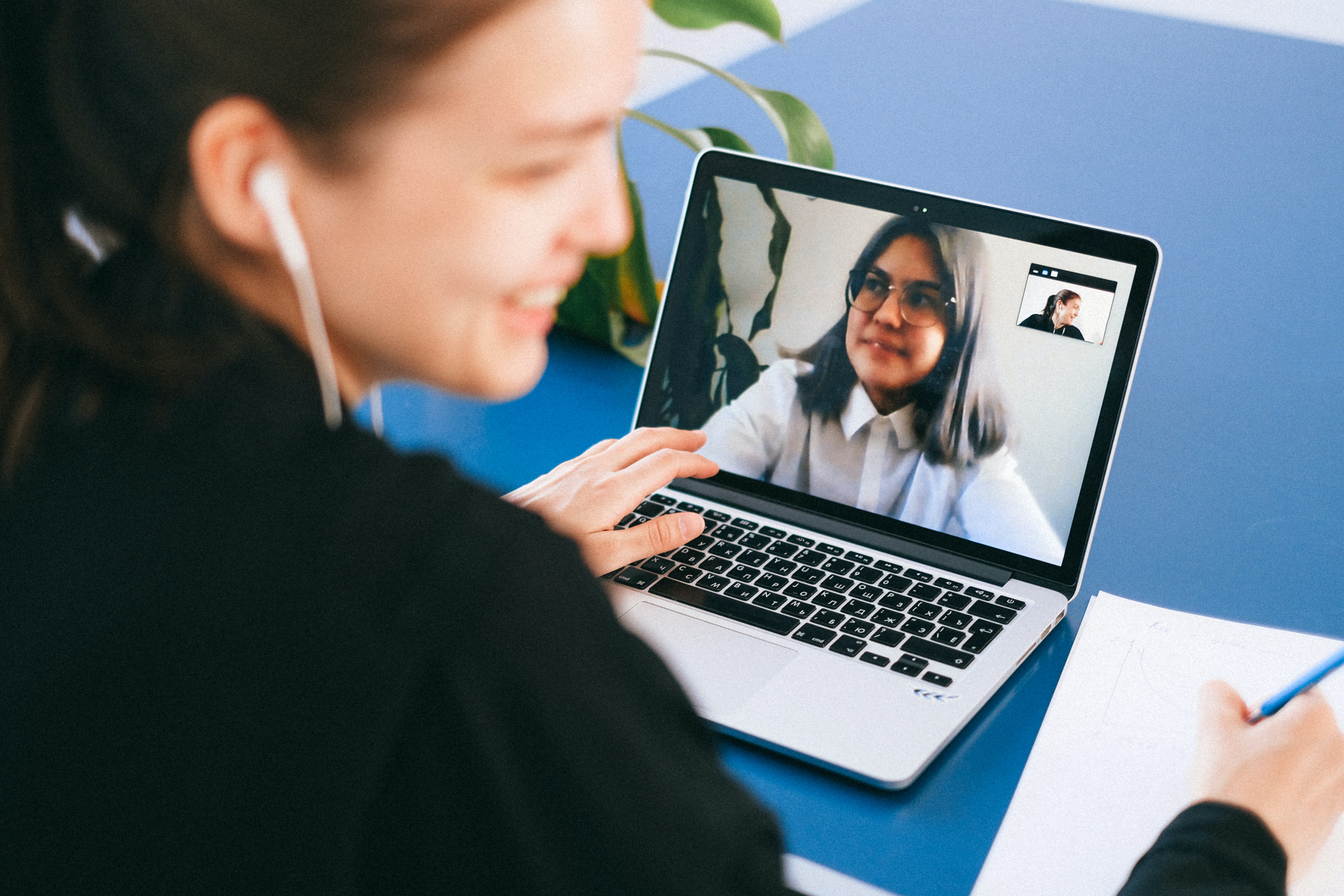
Woman on video call via laptop

The COVID-19 pandemic has changed the way many businesses operate, with more and more positions now being filled through remote job interviews. While this new approach can often feel intimidating for job seekers, there are plenty of options to make you feel confident and prepared for an online interview. In this blog post, we’ll explore how to prepare for a successful video interview so that you can make the most of your remote job search! 

Introduction: Benefits of a Remote Job Interview

One of the great things about a remote job interview is that you can conduct the interview from the comfort of your own home. This means that you don’t have to worry about travelling to and from the interview, or taking time out of your day to meet with the interviewer in person. 

Another benefit of a remote job interview is that it can be recorded, so you can go back and listen to it again later if you need to. This can be helpful if you want to review your performance or if there are any questions that you didn’t catch the first time around. 

Lastly, a remote job interview can be a great way to get to know the company and the team that you’ll be working with, without having to commit to a full-time position right away. This can help you decide if the company is a good fit for you before making any long-term decisions. 

Do Your Research

The best way to prepare for a remote job interview is to do your research. Learn about the company, the position, and the interviewer. This will help you be more confident and successful in your video interview. 

Here are some tips for doing your research: 

1. Go to the company’s website and read through their About Us page. This will give you an overview of their business and what they’re looking for in an employee. 

2. Look up the position you’re applying for on job sites like Indeed or Glassdoor. Read through the job descriptions to get a better understanding of the duties and responsibilities involved. 

3. Visit the interviewer’s LinkedIn profile or Google them to learn more about their professional background. This will give you an idea of what they’ll be looking for in a candidate. 

4. Finally, prepare some questions to ask during your interview. This will show that you’re interested in the position and company, and it will give you information that you can use to make a case for why you’re the best candidate for the job 

Practice Answering Interview Questions

You can never predict exactly what questions you’ll be asked in a job interview, but you can control how you answer them. In order to ace your upcoming remote job interview, take some time to practice your responses to common interview questions.  

Start by writing out answers to the most common interview questions, such as “Tell me about yourself” and “What are your strengths and weaknesses?”. Then, practice delivering your responses out loud. Not only will this help you keep your cool under pressure during the actual interview, but it will also allow you to hear how your answers sound to a potential employer.  

Finally, don’t forget to tailor your responses to each individual job. This means doing research on the company and position beforehand, so that you can show off your knowledge and explain why you’re the perfect fit for the role. With a little preparation, you’ll be able to confidently deliver great answers to any questions that come your way in the remote job interview. 

Ensure You Have the Right Technology Setup

If you want to have a successful remote job interview, you need to make sure you have the right technology setup. Here are a few things to keep in mind:  

First, you need a good internet connection. If you’re doing a video interview, you don’t want your connection to drop in the middle of the conversation.  

Second, you need a webcam. A lot of laptops nowadays have built-in webcams, but if yours doesn’t, you’ll need to invest in an external one. It’s worth it to get a good quality camera so that your interviewer can see you clearly.  

Third, you’ll need some sort of audio setup. Again, many laptops have decent microphones built in, but if yours doesn’t (or if you just want to make sure your audio is clear), consider using a headset or even just plugging in an external microphone.  

Fourth, be aware of your surroundings. Make sure there’s no background noise that will be distracting, and try to find a spot where there’s good lighting so that your interviewer can see you well.  

Fifth and finally, test everything out ahead of time! Do a trial run with a friend or family member to make sure everything is working properly and that they can hear and see you clearly.  

By following these tips, you can be confident that your technology won’t let you down during your remote job interview. 

Dress to Impress

In order to make a good impression during a remote video job interview, it is important to dress the part. This doesn’t mean that you need to go out and buy a new wardrobe – simply ensure that the clothes you do wear are clean, wrinkle-free, and presentable. In terms of colour, it is best to err on the side of caution and stick to neutrals like black, grey, or navy. Avoid wearing anything that is too loud or distracting. 

Keep in mind that first impressions matter. Even though your interviewer will only be seeing you from the chest up, it is still important to dress professionally from head-to-toe. You never know when you might need to stand up during the call! 

Make Sure You Speak Clearly and Use Body Language

When you’re in a remote job interview, speaking clearly is even more important than it is in an in-person interview. Make sure you enunciate your words and make eye contact with the camera. It’s also important to use body language. Sit up straight and avoid crossing your arms, which can make you appear defensive. Nod when the interviewer is speaking to show that you’re engaged, and smile when appropriate. 

Be Flexible With Situations That May Arise

Flexibility is key when it comes to video interviews. You never know what might happen during the call, so it’s important to be prepared for anything that might come up. Here are a few tips to help you be flexible and succeed in your remote job interview: 

– Be aware of your surroundings. Make sure you’re in a quiet place with good lighting where you won’t be interrupted. 

– Be prepared for technical difficulties. Have a backup plan ready in case your internet connection or video equipment fails. 

– Be flexible with your questions. If the interviewer asks something unexpected, take a moment to think of a thoughtful response instead of getting flustered. 

– Be flexible with your answers. If you’re asked a difficult question, don’t hesitate to take a minute to think about the best way to answer it. The interviewer will appreciate your honesty and thoughtfulness. 

 Ask Clarifying Questions and Show Enthusiasm 

When you’re job interviewing remotely, it’s important to make sure that you ask clarifying questions and show enthusiasm. This will help you build rapport with the interviewer and ensure that you understand the company’s needs. Here are some tips for doing so: 

– Ask questions about the role, the company, and the interviewer’s experience. This will help you get a better understanding of what they’re looking for and if the position is a good fit for you. 

– Show excitement about the role and the company. Let them know that you’re eager to learn more about what they do and how you can contribute to their success. 

– Be prepared to answer common interview questions, such as “tell me about yourself” or “why are you interested in this role.” Practice your answers beforehand so you sound confident and polished on camera. 

Summary

By following these steps, you can be ready to face a remote job interview with confidence. Remember not to let anxiety take over the conversation – just go in prepared and be yourself for the best possible outcomes. With preparation, practice and poise, you’ll have all that’s needed for a successful video interview. 

How to Transition to a New Career with Confidence: Tips from Experienced Recruiters

<- Back

Woman standing in front of whiteboard in an office.

Transitioning to a new career can be both exciting and overwhelming. It’s a chance to start fresh and pursue your passions, but it can also come with its own set of challenges. As a job seeker, it’s important to have a plan in place to make the transition as smooth as possible. Here are some tips from us, experienced recruiters since 2002, to help you make a successful transition to a new career:

Research, Research, Research

Before making any decisions, it’s important to do your research and think carefully about what you want. Consider your goals, skills, and interests, and look at the different options available to you. Once you’ve narrowed down your choices, research companies and specific roles that fit your criteria.

Assess Your Skills and Experience

As you assess your skills and experience, consider what you have accomplished in your current role. What new skills have you acquired? How have you applied your skills and knowledge in different ways? Also, take some time to reflect on your experiences outside of work. What projects or hobbies have you undertaken that have helped to develop new skills?

When looking at your skill set, it is also important to consider how marketable those skills are. Are there certain skills that are in high demand in your industry? Are there other industries where your skills would be transferable? Keeping up with trends in both your industry and the job market as a whole will help you to identify which of your skills are most sought after.

Once you have taken stock of your skills and experiences, it is time to start thinking about how they can be applied to a new career. Research your desired industries and occupations to get an idea of what kinds of roles may be a good fit for your skill set. This will help you identify the areas you need to work on and the skills you need to acquire.

Build a Professional Network

No matter what industry you’re in, your professional network is one of your most valuable assets. A strong network can open doors to new opportunities, help you develop new skills, and provide invaluable advice and support.

1. Get involved in professional organizations or trade groups related to your industry. This is a great way to meet other professionals in your field, learn about new trends and developments, and expand your knowledge base.

2. Attend industry events and conferences. These events are often excellent networking opportunities, giving you the chance to meet people from all different levels of experience. You never know who might be able to help you make a connection or offer advice.

3. Use social media to connect with others in your field. LinkedIn is a great platform for connecting with professionals in your industry, and Twitter can be useful for following industry news and developments.

4. Stay in touch with your former colleagues and classmates. These relationships can be extremely valuable as you transition into a new role or company.

Get Experience

If you’re changing careers, it’s important to get relevant experience in your new field. This could mean taking on a side project related to your desired industry, volunteering for an organization in that space, or doing an internship or entry-level job. Even if it’s not exactly what you want to do long-term, gaining experience will give you the opportunity to learn more about the industry and build your skillset.

Take a Course or Become Certified

There are many ways to become certified in your desired field. You can take online courses, evening classes, or even get a degree from a college or university. The most important thing is that you have the knowledge and skills required to do the job you want.

Becoming certified will show employers that you are serious about your career and that you have the skills they are looking for. It will also give you an edge over other candidates who may not have the same level of training or experience.

If you are unsure about what type of certification is right for you, consult with an experienced recruiter. They will be able to advise you on the best way to transition into your new career.

Refresh Your CV and LinkedIn Profile

There are a few key things you can do to refresh your CV and make it more attractive to employers. First, take a close look at the language you’re using. Are you using industry-specific jargon that potential employers might not understand? If so, consider simplifying your language or including a glossary of terms.

Next, take a look at your formatting. Is your CV easy to scan and digest? Or is it crammed with too much information and difficult to navigate? Use white space, headings, and bullet points to make your CV more user-friendly.

Finally, make sure your contact information is up-to-date and that there are no typos or errors. A small mistake can make a big impression on potential employers.

Try to Be Flexible and Persistent

Transitions can be difficult, and it may take time to find the right job. Try to be patient and keep pushing forward, and eventually you will find the right opportunity for you. Also, try to be open to starting at the bottom and working your way up in your new career. Don’t be afraid to take on entry-level positions or freelance work to gain experience and build your portfolio.

Summary

Transitions can be daunting, but with the right preparation and an open mind to learning something new, you can make your new career transition a successful one. With these tips, we hope that you now have the confidence and know-how to take on any job market or opportunity. Take time to assess what’s best for you as a professional and use this guide to support your journey towards success!

If you need support transitioning to a new career, we are here to help you navigate the job market and connect you with potential employers. Speak to an experienced consultant.

Logistics Industry Trends and Their Impact on Your Hiring Needs

<- Back

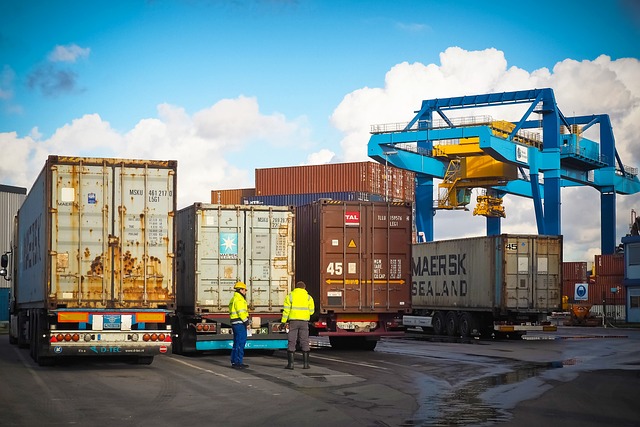
Logistics workers in container port

The logistics industry is constantly evolving, and staying ahead of the trends can be crucial for companies looking to attract and retain top talent. As a leading logistics recruitment agency, we understand the importance of staying informed. In this blog post, we’ll discuss the latest logistics industry trends and their impact on your hiring needs.

Latest Logistics Industry Trends

1. Increased Demand for E-commerce Logistics

With the rapid growth of online shopping, the demand for efficient and reliable e-commerce logistics has never been higher. Companies are looking for professionals with expertise in areas such as warehouse management, supply chain management, and transportation management to keep up with the increasing volume of orders and deliveries.

2. Adoption of Technology 

The use of technology is becoming increasingly prevalent in the logistics industry, with a focus on automation and data analysis to streamline processes and improve operational efficiency. As a result, companies are looking for employees with technical skills and a strong understanding of technology in logistics.

3. Sustainability and Green Logistics 

As customers become increasingly aware of the environmental impacts of their consumption choices, they are also looking to logistics companies to provide sustainable solutions. The industry is responding by implementing green initiatives, such as using more fuel efficient vehicles, using recycled materials, and reducing emissions. Companies are increasingly looking for professionals who can help them reduce their carbon footprint and implement green initiatives.

4. Focus on Customer Experience 

In today’s competitive market, companies are placing a greater emphasis on delivering a positive customer experience. This includes reliable deliveries and efficient customer service. As a result, companies are seeking individuals with strong communication and customer service skills to meet the demands of this evolving industry.

Best Practices for Staying Up to Date With Logistics Industry Trends

In order to stay ahead of the curve when it comes to logistics industry trends, it is important to have a pulse on what is happening in the market.

Trade publications often have articles that discuss current trends and their impact on businesses. In addition, many magazines and websites offer online newsletters that you can sign up for. This can be a great way to get timely information about new developments in the industry.

Visit our sister company My Logistics Magazine – an online trade publication for the logistics, supply chain and freight industries.

Trade shows and conferences bring together experts from all over the world to discuss various topics related to logistics. By attending these events, you can learn about new technologies, best practices, and upcoming changes in the marketplace. It is also a great networking opportunity, which can help you meet other professionals who can provide valuable insights into the industry.

If you want to stay ahead of the curve when it comes to logistics industry trends, it is important to be proactive. There are many resources available that can help you keep up with the latest information. By taking advantage of these tools, you can ensure that your business is prepared for whatever changes may come your way.

How Do Recruitment Agencies Help With Keeping Up With Trends?

Recruitment agencies can help you keep up with these trends so that you can make the best decisions for your business. There are a variety of ways that recruitment agencies can help you keep up with trends in the logistics industry. For example, recruitment companies often have access to research and data that can help you understand the latest trends. In addition, recruitment companies can also provide you with advice and guidance on how to best respond to these trends.

The most important thing is to be proactive about keeping up with trends in the logistics industry. By doing so, you will be able to make better decisions for your business and ensure that you are always ahead of the curve.

Summary

In conclusion, the logistics industry is constantly changing, and staying ahead of the trends is critical for companies looking to attract and retain top talent. Our team of experienced recruiters can help you identify the latest logistics industry trends and the impact they have on your hiring needs. Contact us today to learn more.

Navigating The Online Job Application Process: Tips & Tricks To Get It Right Every Time

<- Back

Man working on computer looking stressed

Online job applications can be a daunting task, especially if you’re not familiar with the process. Here are some tips and tricks to help you navigate the online job application process so that you can get it right every time. 

Carefully Read Job Description

When you’re applying for jobs online, it’s important to take the time to read the job description carefully. This will give you a good understanding of the requirements and expectations for the role.

If you have any questions about the job description, be sure to reach out to the employer or recruiter for clarification. Once you’re confident that you understand what the role entails, you can move on to crafting a stand-out application. 

Make Sure Your CV is Up to Date 

When you’re job hunting, your CV is your number one tool for marketing yourself to potential employers. It’s important to keep your CV up to date and tailored to the specific requirements of each job you apply for. 

There are a few key things to keep in mind when updating your CV:  

  • First, make sure your contact information is current and complete.  
  • Next, take a look at the overall layout and design of your CV. Does it look professional and organized?  
  • Finally, read through the content of your CV carefully. Are there any outdated or irrelevant experiences or skills listed? If so, remove them and replace them with more recent and relevant information. 

If you’re not sure where to start, we have plenty of resources available on our website to help you create a winning CV. Once you have an updated CV, you’ll be one step closer to landing the job you want! 

Make Use of Social Media Platforms For Networking and Job Hunting 

There are many social media platforms that can be utilized for networking and job hunting. LinkedIn is a great platform to start with. Creating a profile and connecting with other professionals in your field is a great way to get started. You can also join groups and participate in discussions to make yourself known.  

Twitter is another great platform for networking. Following companies and industry leaders in your field is a great way to stay up-to-date on news and opportunities. Utilizing hashtags is also a great way to connect with others who might be interested in what you have to say. Facebook groups are also a great way to connect with others who share your interests. 

Write a Cover Letter That Reaches Out To The Recruiter 

When you’re applying for a job online, the cover letter is your one opportunity to make a personal connection with the recruiter. Use this chance to reach out and introduce yourself, highlighting why you’re a good fit for the position. Be sure to mention any skills or qualifications that match the job requirements, and be polite and professional throughout. With a little effort, you can make a great impression and increase your chances of getting an interview. 

Follow The Job Application Instructions 

This may seem like a no-brainer, but you would be surprised how many people do not follow simple instructions on an online application. If the employer asks for specific information, be sure to include it or your application will likely be ignored. 

When you’re ready to start filling out applications, take your time and be thoughtful about each question. Don’t rush through it or try to guess what they’re looking for – this will only increase your chances of making mistakes. 

Follow Up to Check on The Process of Your Application 

If you’ve applied for a job online, you’re probably wondering how your application is progressing. First, try to find out the name of the recruiter or the person who is in charge of reviewing applications. You can usually find this information by contacting the company directly or by doing a little research online. Once you have the name of the decision-maker, you can follow up with them directly. 

It’s also important to be aware of the company’s timeline for reviewing applications. Some companies review applications as they come in, while others wait until they have received all of the applications before starting the review process. If you know the timeline, you can follow up at an appropriate time. For example, if applications are being reviewed on a rolling basis, it makes sense to follow up a week or two after you submit your application. However, if all applications must be submitted before any will be reviewed, there’s no point in following up until after the deadline has passed. 

Finally, when following up, be polite and professional. Thank the decision-maker for their time and express your continued interest in the position. A brief phone call or email is usually sufficient. 

Seek Assistance With The Job Application 

There are a lot of moving parts to an online job application. From entering your personal information to attaching required documents, it can be easy to make a mistake or overlook something important. If you’re feeling overwhelmed, seek assistance from a friend or family member who is familiar with the process. They can help you double-check that everything is in order before you submit your application. 

You don’t have to start your job search alone; we are here to help! If you would like help finding a career in logistics, shipping, removals, or HR just get in touch.  

10 Tips To Help You Ace Your Next Job Interview

<- Back

Two people shaking hands during interview

Landing a job interview can be an exciting yet intimidating experience. To help you maximize your chances of success, here are 10 tips to help you ace your next job interview. Read on to find out how to prepare for the questions you’ll be asked, dress for success, and make a lasting impression on your interviewer. 

Introduction

If you’re like most people, the thought of going on a job interview can be nerve-wracking. But with a little preparation, you can ace your next job interview and land the job you want. Here are some tips to help you get started: 

1. Do your research: Be sure to research the company and the specific role you’re interviewing for. This will help you better understand their needs and how you can best meet them. 

2. Prepare questions: Have a few questions prepared ahead of time to ask your interviewer. This will show that you’re interested in the position and the company and it will give you an opportunity to learn more about what they’re looking for. 

3. Dress for success: First impressions matter, so be sure to dress professionally for your interview. Avoid anything too casual or flashy – stick to classic, professional attire that will make you look polished and put-together. 

4. Be confident: Remember that you have the skills and qualifications they’re looking for, so walk into your interview with confidence. They’ll be impressed by your poise and self-assurance. 

5. Follow up: Be sure to follow up with a thank-you note after your interview. This is another chance to reiterate your interest in the position and thank them for their time. 

Research the Company and Position

When preparing for a job interview, it is important to research the company and position you are interviewing for. This will help you tailor your answers to fit what the company is looking for, and show that you are a good fit for the position.  

To research the company, start by looking at their website. Look at their About Us page to learn more about their history and what they do. Then, look at their press releases or blog to see what they are working on currently. This will give you some insight into the company culture and what they value. Finally, check out any reviews of the company online to get a sense of what others think about working there.  

To research the position, start by reading through the job description carefully. Make a list of the key qualifications and duties required for the role. Then, look for articles or other resources that discuss what it is like to work in that role or field. This will give you a better understanding of what day-to-day life in that position would be like, and help you decide if it is a good fit for you. 

Dress Professionally 

When you’re interviewing for a job, the way you dress can be just as important as what you say. After all, first impressions count! Dressing professionally shows that you’re serious about the job and respect the interviewer enough to take the time to put together a polished look. Not sure what counts as professional attire? Here are some tips: 

For men: A suit and tie are always a safe bet. If you don’t have a suit, opt for a nice dress shirt and slacks. Make sure your clothes are well-fitting and wrinkle-free. 

For women: A skirt or pantsuit is best. Avoid anything too revealing or flashy. Stick to classic colours like black, navy, or grey. 

No matter what you wear, be sure to groom yourself well. This means combing your hair, shaving (if necessary), and wearing minimal makeup and jewellery. You want the interviewer to focus on your qualifications, not your appearance. 

Be Confident and Positive 

If you want to ace your next job interview, one of the most important things you can do is to project confidence and positivity. This means exuding a sense of self-assurance in your body language, voice, and words. It also means maintaining a positive attitude, even if you’re feeling nervous or anxious. 

Here are a few tips to help you project confidence and positivity in your next job interview: 

1. Make eye contact and smile. 

When you make eye contact with the interviewer and smile, it shows that you’re confident, friendly, and interested in the conversation. 

2. Sit up straight and keep your hands relaxed. 

Good posture conveys confidence, while fidgeting or fiddling with your hands can make you look nervous or unprepared. 

3. Speak clearly and concisely. 

If you mumble or ramble when you speak, it’ll make you seem unsure of yourself. On the other hand, speaking clearly and concisely communicates that you know what you’re talking about – which will instil confidence in the interviewer. 

Be Prepared to Demonstrate Your Skills 

The best way to demonstrate your skills is to be prepared. Know what the job entails and what is required of you. If you are not sure, ask the interviewer for clarification. Be ready to show how your skills can benefit the company. For example, if you are applying for a sales position, be prepared to discuss your previous experience and success in meeting quotas. If you are interviewing for a customer service job, be ready to give examples of how you have provided excellent customer service in the past. The key is to be specific and provide concrete examples that show why you are the best candidate for the job. 

Ask Good Questions 

When you’re in a job interview, asking questions is just as important as answering them. Asking good questions shows that you’re truly interested in the role and the company, and it can help you stand out from other candidates. Plus, it can give you valuable information that can help you decide if the job is right for you. 

So, what makes a good question? Here are a few tips: 

– Avoid yes or no questions. These won’t give you much information and will make it seem like you’re not really interested in learning more. 

– Avoid questions that can be easily found on the company’s website. Again, this shows that you’re not really interested in learning more about the company. 

– Do some research beforehand and come up with specific questions about the company or the role that you want to know more about. This will show that you’ve done your homework and are truly interested in the opportunity. 

– Ask open-ended questions that will encourage the interviewer to elaborate. This will give you more information to work with and will help keep the conversation going. 

– And finally, don’t forget to listen! Pay attention to the answers to your questions and use them to guide your next question. 

Follow Up After the Interview 

The interview process doesn’t end when you leave the room. In order to seal the deal, it is essential that you follow up with your potential employer after the interview. This shows that you are interested in the position and want to make sure that your application is still being considered. Sending a thank-you email or note is a great way to stay fresh in the interviewer’s mind and solidify your interest in the job. 

Know What NOT To Do in an Interview 

When it comes to job interviews, there are a few things you should definitely avoid doing if you want to make a good impression. Here are four things not to do in an interview: 

1. Don’t be late. This is one of the worst things you can do, as it shows that you’re not reliable or punctual. Make sure to arrive at least 10 minutes early so that you have time to calm your nerves and collect your thoughts. 

2. Don’t talk too much. It’s important to answer questions thoughtfully and concisely. If you ramble on, it will make you seem nervous and unprepared. Take a deep breath and remember to listen as well as speak in an interview. 

3. Don’t be negative. Even if you’re asked about your weaknesses, try to frame your answer in a positive light. For example, instead of saying “I’m bad at math,” try “I sometimes need extra time when working with numbers.” 

4. Don’t ask about salary or benefits too early on. This shows that you’re more interested in money than the actual job itself. Wait until after you’ve made a good impression and been offered the position before discussing compensation. 

Conclusion

With the right preparation and a few tips, you can be sure to impress your interviewer during your next job interview. It’s important to dress for success, plan ahead, practice your answers and make sure you know about the company before heading into an interview. By following these simple tips, you will have all of the confidence needed in order to ace that next job interview. Good luck!